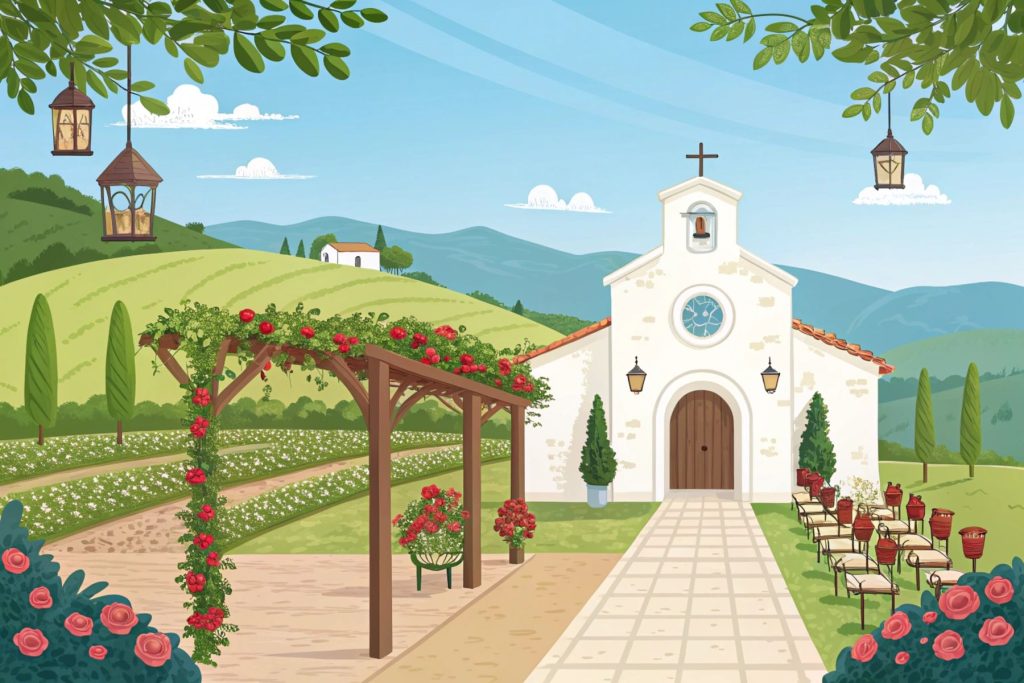


Spain is a country rich in culture, history, and romantic traditions, making it an ideal destination for couples looking to tie the knot. If you are considering a wedding in Spain, you may be intrigued by its unique wedding customs and rituals. From vibrant celebrations to traditional attire, Spanish weddings truly offer a feast for the senses. In this article, we will explore the fascinating world of Spanish wedding traditions, providing you with essential information that will not only enrich your understanding but also help you plan your perfect destination wedding in Spain. You’ll discover the significance of these customs, how they can be incorporated into your wedding, and why choosing weddinginspain.es can make your dream wedding a reality.
As you dive into the various aspects of Spanish weddings, you will learn about the traditional elements that make these celebrations so special. Explore the significance of the wedding ceremony, the role of family, and the importance of food and music in Spanish culture. We’ll also discuss how weddinginspain.es can assist you in navigating these traditions, ensuring that your wedding reflects both the beauty of Spain and your personal style. By the end of this article, you will have a comprehensive understanding of Spanish wedding traditions, empowering you to make informed decisions for your special day.
Understanding the Significance of Spanish Wedding Traditions
Spanish wedding traditions are deeply rooted in the country’s rich cultural heritage. Understanding these customs can help couples create a wedding that honors their love while celebrating the local culture. One of the most significant aspects of a Spanish wedding is the emphasis on family and community. Weddings are large gatherings, often involving extended family and friends, demonstrating the importance of social connections in Spanish culture.
Another key element is the religious aspect of many Spanish weddings. Although not all couples choose to have a religious ceremony, many traditional weddings take place in a church or a chapel, where couples often receive blessings from family and friends. This sacred setting adds a layer of depth and meaning to the wedding ceremony.
- Family Involvement: Family plays a crucial role in wedding planning and celebrations.
- Religious Ceremonies: Many weddings are held in churches, adding spiritual significance.
- Cultural Rituals: Each region in Spain has its own unique wedding customs and traditions.
When planning your wedding, consider how these traditions can be woven into your celebration. For instance, you might choose to incorporate a traditional Spanish ceremony or seek out local vendors who can provide authentic Spanish cuisine and entertainment. weddinginspain.es specializes in helping couples navigate these traditions, ensuring that your wedding is both personal and culturally rich.
Traditional Attire in Spanish Weddings
The attire worn during Spanish weddings is one of the most visually striking aspects of the celebration. The bride traditionally wears a white dress, symbolizing purity, but many also opt for a flamenco-style gown that features vibrant colors and intricate designs. Accessories are equally important; brides often wear a mantilla, a lace veil that is draped over the head and shoulders, adding a touch of elegance to their look.
On the other hand, grooms typically wear a classic suit, but it is not uncommon for them to don a traditional Spanish outfit such as a «traje de luces» (suit of lights), especially if they are getting married in a more cultural setting. These outfits often feature ornate details and are a nod to Spain’s rich history.
- Bridal Gowns: Traditional white dresses or colorful flamenco gowns.
- Groom’s Attire: Classic suits or traditional Spanish outfits.
- Accessories: The mantilla is a popular accessory for brides.
Choosing the right attire can enhance the authenticity of your wedding experience. Working with weddinginspain.es allows you to find local designers and boutiques that specialize in these traditional garments, ensuring that you look stunning on your big day while embracing the cultural heritage of Spain.
The Role of Food and Drink in Spanish Weddings
Food and drink are central to any wedding celebration, and Spanish weddings are no exception. The culinary experience is often a highlight, showcasing the rich flavors and diverse ingredients that Spain is known for. Traditional Spanish wedding menus commonly feature a variety of tapas, paella, and regional specialties, offering guests a true taste of the local cuisine.
In addition to the food, beverages play a significant role. Wine, particularly Spanish varieties, is served throughout the event, and many couples choose to feature a signature cocktail that reflects the region where they are getting married. Cava, a sparkling wine from Catalonia, is a popular choice for toasting the newlyweds.
- Tapas: Small dishes that allow guests to sample various flavors.
- Paella: A traditional rice dish that is often served at weddings.
- Cava: Spanish sparkling wine used for toasting.
When planning your wedding menu, it’s essential to consider the preferences of your guests while also incorporating local flavors. weddinginspain.es can assist you in sourcing caterers who specialize in authentic Spanish cuisine, ensuring a memorable dining experience for everyone.
Music and Dance: The Heartbeat of Spanish Weddings
No Spanish wedding is complete without music and dance. From the moment the ceremony begins until the last dance of the night, music infuses energy and joy into the celebration. Traditional Spanish music, such as flamenco, often sets the tone, and many couples hire live bands or musicians to perform during the reception.
In addition to traditional music, couples may also incorporate modern elements to cater to diverse musical tastes. This can include everything from popular Spanish songs to international hits that get everyone on the dance floor. The famous «boda» (wedding) dance, where couples lead their guests in a spirited dance, is a must-have at any Spanish wedding.
- Traditional Music: Flamenco and regional folk music enhance the cultural experience.
- Live Performances: Hiring local musicians can add authenticity to your celebration.
- Inclusive Playlists: Mixing traditional and modern songs keeps the dance floor lively.
With the help of weddinginspain.es, you can find talented musicians and DJs who understand the importance of music in Spanish weddings. They will work with you to create a playlist that reflects your tastes while honoring Spanish traditions.
Unique Spanish Wedding Ceremonies
Spanish wedding ceremonies can vary greatly depending on the region and personal preferences of the couple. While many couples opt for a traditional religious ceremony, others may choose a civil ceremony or a symbolic one that reflects their beliefs and values. Regardless of the choice, the ceremony typically includes several key rituals that celebrate the union of the couple.
One popular ritual is the exchange of «lazo,» a decorative ribbon or cord that symbolizes the bond between the couple. Another significant moment is the «arras,» where the groom presents the bride with thirteen coins, representing prosperity and abundance in their marriage. These customs add depth and meaning to the ceremony, making it truly memorable.
- Religious vs. Civil Ceremonies: Couples can choose based on their beliefs.
- Lazo Ritual: A symbolic ribbon that binds the couple together.
- Arras Exchange: Thirteen coins representing prosperity.
When planning your wedding ceremony, it’s essential to consider how these traditions resonate with you and your partner. With weddinginspain.es, you can find officiants who are knowledgeable about Spanish wedding customs and can help you design a ceremony that reflects your love story while honoring local traditions.
Spanish Wedding Favors and Gifts
Wedding favors in Spain are a charming way to thank guests for their presence at your celebration. Traditionally, couples offer small gifts, often referred to as «deseos,» which can range from sweet treats to personalized tokens. These favors are typically beautifully packaged and reflect the couple’s personality and style.
Common wedding favors include «almendras» (sugared almonds), which symbolize fertility and happiness, or small bottles of olive oil or wine from the region where the wedding is held. These thoughtful gifts serve as lasting memories of the special day.
- Traditional Favors: Sugared almonds symbolize good fortune.
- Personalized Gifts: Customized tokens that reflect the couple’s style.
- Regional Specialties: Local products like olive oil or wine.
Choosing the right wedding favors can add a personal touch to your celebration. weddinginspain.es can help you source unique and locally-made gifts that will leave a lasting impression on your guests.
Spanish Wedding Traditions: What You Need to Know
Understanding Spanish wedding traditions is crucial for creating a memorable and culturally rich event. These customs not only enhance the experience but also allow you to connect with the local culture in a meaningful way. From traditional attire and food to music and unique ceremonies, each element plays an important role in making your wedding special.
As you plan your destination wedding in Spain, remember that weddinginspain.es is here to help. With their expertise in Spanish wedding traditions, they can guide you through every step of the planning process, ensuring that your wedding reflects your vision while honoring the beautiful customs of Spain.
By embracing these traditions, you can create a wedding that is not only a celebration of your love but also a tribute to the vibrant culture of Spain. Ready to start planning your dream wedding in this enchanting country? Fill out the form below, and let weddinginspain.es help you turn your wedding dreams into reality!
Frequently Asked Questions
What are common elements of a Spanish wedding ceremony?
Common elements include the exchange of vows, the «lazo» ritual, and the «arras» exchange, symbolizing unity and prosperity.
Are Spanish weddings usually religious?
Many Spanish weddings are religious, often held in churches, but civil and symbolic ceremonies are also popular.
What type of food is served at Spanish weddings?
Typical food includes tapas, paella, and a variety of local specialties, complemented by Spanish wines and Cava.
How important is music at a Spanish wedding?
Music is essential, often featuring traditional Spanish genres like flamenco, and live bands are commonly hired for the celebration.
What are some popular wedding favors in Spain?
Popular wedding favors include sugared almonds, personalized gifts, and regional specialties like olive oil or wine.